Table of Contents
ToggleMontessori trends 2026 point to significant shifts in how children learn and grow. Parents, educators, and school administrators are watching these changes closely. The Montessori method, developed over a century ago, continues to adapt to modern needs while staying true to its core principles. This year brings fresh momentum to the movement.
From increased enrollment numbers to new approaches in technology and outdoor learning, Montessori education is evolving. Schools are also rethinking how they engage families and expand access to underserved communities. These Montessori trends 2026 reflect broader conversations about child development, educational equity, and the future of learning itself.
Key Takeaways
- Montessori trends 2026 show surging demand, with over 500 public programs in the U.S. and growing waitlists at private schools.
- Technology integration in Montessori classrooms focuses on intentional use, including AI-assisted tools that support teachers without replacing hands-on learning materials.
- Nature-based learning is expanding through outdoor classrooms, forest school partnerships, and garden programs that align with Maria Montessori’s original vision.
- Equity initiatives are making Montessori education more accessible through public charter schools, scholarship programs, and partnerships with Head Start.
- Parent involvement is evolving with education workshops, digital progress updates, and home-school partnerships that extend Montessori principles into daily life.
- Schools are prioritizing teacher diversity and curriculum representation to ensure all children see themselves reflected in Montessori classrooms.
Growing Demand for Montessori Programs
Enrollment in Montessori programs has climbed steadily over the past five years. In 2026, this growth shows no signs of slowing. More parents are seeking alternatives to traditional schooling, and Montessori offers a proven approach that prioritizes self-directed learning and hands-on exploration.
Public Montessori schools have seen particularly strong demand. According to recent data, over 500 public Montessori programs now operate across the United States. Private Montessori schools report waitlists in many urban and suburban areas. This surge reflects a broader shift in how families think about early childhood education.
Several factors drive this demand. Parents appreciate the mixed-age classrooms that allow children to learn at their own pace. The emphasis on practical life skills and independence resonates with families who want their children prepared for real-world challenges. Also, research continues to support Montessori methods for developing executive function, creativity, and social skills.
Montessori trends 2026 also show growth in infant and toddler programs. Parents increasingly recognize the benefits of starting Montessori education early. Schools are expanding their youngest classrooms to meet this need.
Technology Integration in Montessori Classrooms
Technology in Montessori classrooms has always been a topic of debate. Purists argue that screens distract from hands-on learning. Pragmatists see opportunities for thoughtful integration. In 2026, more schools are finding middle ground.
The key principle remains consistent: technology should serve the child’s development, not replace tactile materials. Many Montessori schools now use digital tools for specific purposes. Older elementary students might use tablets for research projects or coding activities. Administrative tasks like progress tracking have moved online, freeing teachers to focus on individual instruction.
Some Montessori trends 2026 involve AI-assisted learning platforms. These tools help teachers identify gaps in a child’s understanding and suggest appropriate materials. The child still works with physical Montessori materials, but teachers receive better data to guide their observations.
Screen time policies vary by school. Most Montessori programs limit technology use for children under six. Upper elementary and middle school students typically have more access. The goal is intentional use rather than passive consumption.
Teacher training programs have adapted as well. New Montessori educators learn how to evaluate digital tools through a Montessori lens. They ask whether a technology supports concentration, independence, and intrinsic motivation, or undermines these goals.
Emphasis on Outdoor and Nature-Based Learning
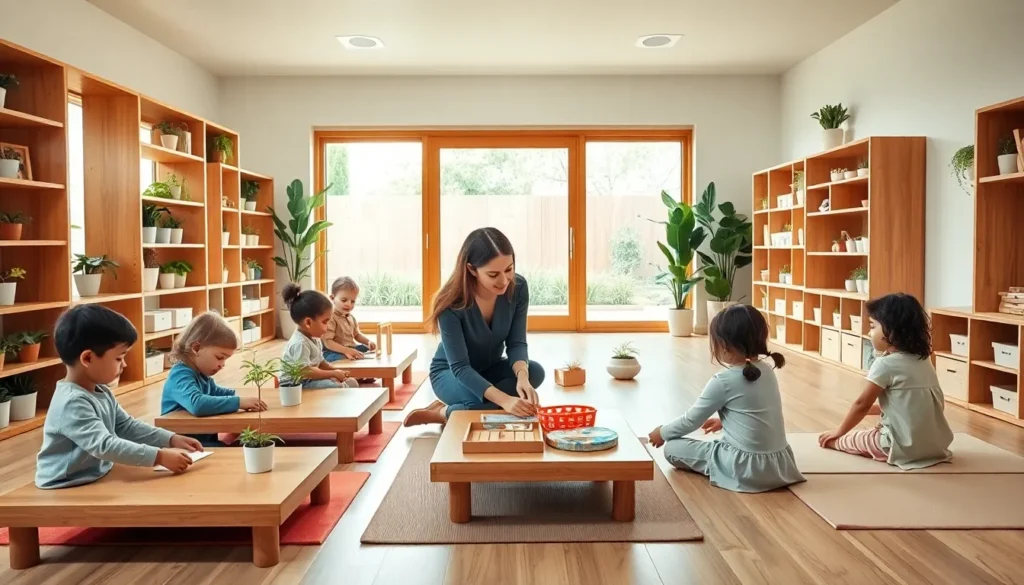
Nature-based learning has become a major focus in Montessori trends 2026. Schools are redesigning outdoor spaces and increasing time spent outside. This shift aligns with Maria Montessori’s original vision, which emphasized connection to the natural world.
Many schools have created outdoor classrooms with gardens, mud kitchens, and natural play structures. Children plant vegetables, observe insects, and learn about ecosystems through direct experience. These activities build scientific thinking and environmental awareness.
Forest school partnerships have grown popular. Some Montessori programs now dedicate full days to learning in wooded areas or parks. Children develop risk assessment skills, gross motor coordination, and a sense of wonder that’s hard to replicate indoors.
Research supports this direction. Studies show that outdoor learning reduces stress, improves attention, and supports physical health. For children who struggle to sit still in traditional settings, nature-based Montessori programs offer an alternative that honors their developmental needs.
Urban schools face space challenges but find creative solutions. Rooftop gardens, indoor plant walls, and regular trips to local green spaces help city children connect with nature. Montessori trends 2026 show that even schools without large campuses can prioritize outdoor experiences.
Expanding Montessori Access and Equity Initiatives
Montessori education has historically served affluent families. Private school tuition puts this approach out of reach for many. But Montessori trends 2026 reveal a strong push toward greater access and equity.
Public Montessori charter schools and magnet programs have expanded. These schools offer tuition-free Montessori education to families in diverse communities. Some districts have converted traditional schools to Montessori programs, bringing the method to neighborhoods where it was previously unavailable.
Scholarship funds at private schools have grown. Many Montessori schools now dedicate significant resources to financial aid. The goal is to create classrooms that reflect community demographics rather than economic status.
Teacher diversity remains a challenge. Montessori training programs are working to recruit more educators from underrepresented backgrounds. Some organizations offer scholarships for teacher certification, reducing financial barriers to entering the field.
Montessori trends 2026 also include partnerships with Head Start and other early childhood programs. These collaborations bring Montessori principles to children who might otherwise never encounter them. The focus is on sharing best practices rather than replacing existing approaches.
Equity work extends to curriculum as well. Schools are examining their materials and classroom environments to ensure all children see themselves represented. Books, images, and cultural activities now reflect greater diversity.
Evolving Parent and Caregiver Involvement Models
Parent involvement in Montessori schools looks different than in traditional settings. Montessori trends 2026 show schools refining how they engage families without disrupting the classroom environment.
Parent education has become a priority. Schools offer workshops on Montessori philosophy, child development, and how to support learning at home. These sessions help parents understand why their child’s classroom might look different from what they experienced growing up.
Communication methods have evolved. Many schools use apps and online platforms to share observations about each child’s progress. Parents receive regular updates without the pressure of traditional report cards. This approach aligns with Montessori’s focus on individual development rather than comparison.
Home-school partnerships take practical forms. Teachers suggest activities that extend classroom learning into daily life. A child working on practical life skills at school might help with cooking or folding laundry at home. Parents become partners in the educational process.
Volunteer opportunities look different in Montessori settings. Parents might contribute to classroom maintenance, garden projects, or cultural celebrations rather than serving as classroom helpers. This respects the prepared environment while still inviting family participation.
Montessori trends 2026 also include support for caregivers beyond parents. Grandparents, nannies, and other family members increasingly attend school events and receive educational materials. Schools recognize that children benefit when all their caregivers understand Montessori principles.