Table of Contents
ToggleMontessori for beginners can feel overwhelming at first glance. Parents and caregivers often wonder where to start, what materials to buy, and whether they’re doing it “right.” The good news? The Montessori method is more accessible than most people think.
This guide breaks down everything newcomers need to know. It covers the philosophy behind Montessori education, its core principles, and practical ways to apply this approach at home. Whether someone is considering a Montessori school or simply wants to incorporate these ideas into daily life, this article provides a clear roadmap to get started.
Key Takeaways
- Montessori for beginners focuses on child-led learning, hands-on materials, and creating an environment that fosters independence.
- You don’t need expensive materials to start—everyday items like pitchers, cups, and household tasks provide valuable learning opportunities.
- Prepare your home by making spaces child-accessible with low shelves, step stools, and child-sized furniture.
- Observe your child’s interests rather than directing their activities, and avoid interrupting their concentration during focused work.
- Start small with practical life activities like pouring, folding, and food preparation before investing in specialized Montessori materials.
- Be patient—children adjusting to the Montessori approach may need time to adapt to the freedom and self-directed structure.
What Is the Montessori Method?
The Montessori method is an educational approach developed by Dr. Maria Montessori in the early 1900s. She was Italy’s first female physician, and her work with children led her to create a child-centered learning system that remains influential today.
At its core, Montessori education treats children as natural learners. Instead of forcing information through lectures and memorization, the method allows children to explore subjects at their own pace. Teachers act as guides rather than instructors. They observe each child’s interests and gently direct their learning journey.
A Montessori classroom looks different from traditional settings. Children of mixed ages work together. They choose their activities from organized shelves. The environment itself teaches, every item has a purpose and a specific place.
For beginners exploring Montessori, understanding this philosophy matters more than buying specific toys. The method values independence, hands-on learning, and respect for each child’s developmental timeline. A three-year-old might spend thirty minutes pouring water between containers. That’s not play, that’s learning concentration, motor skills, and practical life abilities.
Montessori education spans from infancy through adolescence, though most people associate it with early childhood. The principles remain consistent across ages: follow the child, prepare the environment, and trust the process.
Core Principles of Montessori Education
Several key principles define Montessori education. Beginners should understand these concepts before implementing any specific activities.
Child-Led Learning
Children choose what they want to work on. A prepared adult observes their interests and offers appropriate materials. This doesn’t mean chaos, it means structured freedom within clear boundaries.
Prepared Environment
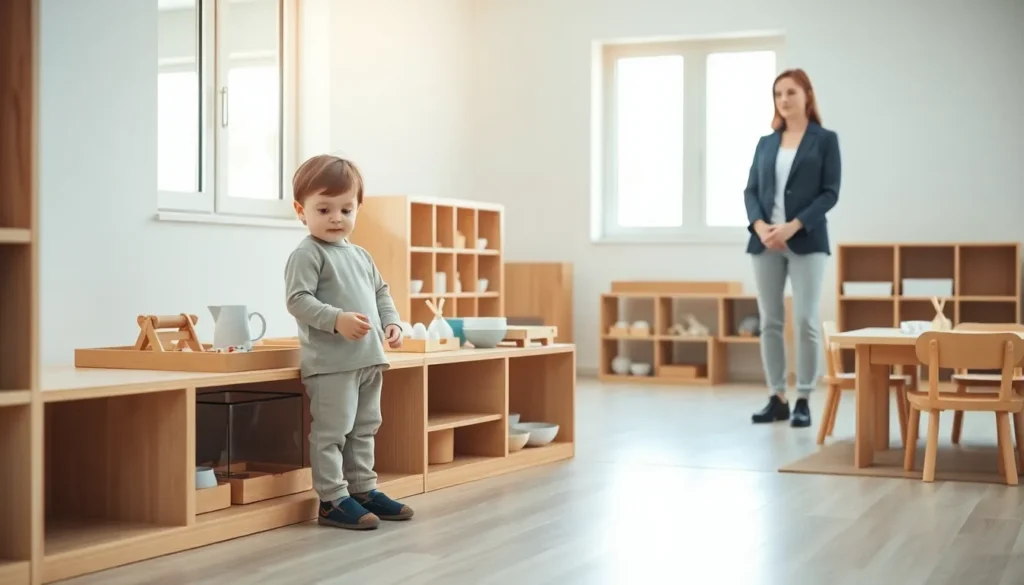
The space where children learn matters tremendously. Everything should be child-sized and accessible. Materials sit on low shelves. Furniture fits small bodies. The environment invites exploration and independence.
Hands-On Materials
Montessori materials are concrete and sensory. Children learn math by touching beads and blocks. They learn letters by tracing sandpaper shapes. Abstract concepts become physical experiences.
Mixed-Age Groupings
Traditional Montessori classrooms group children across three-year age spans. Younger children learn from older peers. Older children reinforce knowledge by teaching. This mirrors real-world social dynamics.
Uninterrupted Work Periods
Children need time to concentrate deeply. Montessori schedules include long work periods, often three hours, where children can fully engage with activities without interruption.
Intrinsic Motivation
Montessori avoids external rewards like stickers or grades. Children learn because learning itself satisfies them. This builds lasting motivation rather than dependence on praise.
For Montessori beginners, these principles guide decision-making. When choosing activities or arranging spaces, parents can ask: Does this support independence? Does it follow my child’s interests? Is it hands-on?
How to Apply Montessori at Home
Parents don’t need a certified classroom to use Montessori principles. Small changes at home can make a significant difference.
Start with the Environment
Look at the home through a child’s eyes. Can they reach their clothes? Their dishes? Their toys? Montessori for beginners often starts with simple adjustments:
- Place a step stool in the kitchen and bathroom
- Use low hooks for coats and bags
- Store toys on accessible shelves rather than in closed bins
- Create a child-sized table and chair area for activities
Involve Children in Daily Tasks
Practical life activities form the foundation of Montessori learning. These include:
- Pouring drinks
- Folding laundry
- Sweeping floors
- Preparing simple snacks
- Caring for plants or pets
Yes, a four-year-old will spill water and fold towels poorly. That’s part of learning. The goal isn’t perfection, it’s building skills and confidence.
Slow Down and Observe
Adults often rush children through activities. Montessori asks caregivers to pause and watch. What captures the child’s attention? What skills are they practicing? Observation guides appropriate support.
Limit Choices
Too many options overwhelm children. Instead of a playroom stuffed with toys, offer a few carefully selected activities. Rotate materials regularly to maintain interest.
Model Rather Than Correct
When teaching a new skill, show the process slowly and clearly. Avoid interrupting with corrections. Let children practice and make mistakes. They’ll often self-correct through repetition.
Choosing the Right Montessori Materials
Montessori materials can be expensive. Beginners often wonder what to buy first, or whether they need specialized materials at all.
The truth? Most Montessori learning happens with everyday items. A pitcher and cups for pouring practice cost nothing extra. Sorting socks teaches matching and fine motor skills. Cutting bananas with a butter knife introduces food preparation.
That said, certain Montessori materials offer unique learning experiences:
Practical Life Tools
Child-sized brooms, dustpans, and cleaning supplies help children participate in household tasks. A small pitcher, tongs, and spoons support kitchen independence. These items get daily use and teach essential skills.
Sensorial Materials
Classic Montessori sensorial materials include the pink tower, brown stair, and color tablets. These teach discrimination of size, dimension, and color. DIY alternatives work well, stacking boxes, paint chips for color matching, or fabric scraps for texture exploration.
Language Materials
Sandpaper letters help children connect sounds to letter shapes. Moveable alphabets allow word building before writing develops. These materials support literacy in concrete, tactile ways.
Math Materials
Number rods, spindle boxes, and golden bead materials make math concepts visible and touchable. Children understand quantity before symbols.
For Montessori beginners on a budget, start with practical life materials. Add sensorial and academic materials gradually based on the child’s developmental stage and interests. Quality matters more than quantity, one well-made item beats ten cheap alternatives.
Common Mistakes to Avoid as a Beginner
New practitioners often stumble in predictable ways. Avoiding these mistakes helps families get better results from Montessori approaches.
Buying Too Much Too Soon
Parents sometimes purchase entire classroom setups before understanding what their child actually needs. Start small. Observe. Add materials as genuine interest develops.
Interrupting Concentration
When a child focuses deeply on an activity, well-meaning adults often jump in with praise or suggestions. This breaks concentration. Let children work without unnecessary interruption. Save comments for natural stopping points.
Expecting Immediate Results
Montessori for beginners requires patience. Children accustomed to adult-directed activities may initially struggle with freedom. They might wander, test limits, or seem uninterested. This adjustment period is normal. Trust takes time to build.
Over-Correcting
The urge to fix mistakes is strong. But children learn through error. Unless safety is at risk, allow them to discover problems themselves. A child who pours too much water will see the spill and adjust.
Ignoring the Child’s Lead
Sometimes parents fall in love with Montessori materials their children don’t want. Perhaps the child ignores the carefully prepared pouring activity but loves opening and closing containers. Follow their interest, not yours.
Making It Too Perfect
Montessori environments should be beautiful but functional. Don’t create spaces so pristine that children fear making messes. Real learning is sometimes messy.