Table of Contents
ToggleChild development trends 2026 are shifting how parents and educators approach early learning. New research, technology, and cultural awareness are reshaping priorities in schools and homes alike. From personalized learning methods to a renewed focus on emotional skills, the landscape looks different than it did just a few years ago.
This article breaks down the key child development trends 2026 has brought to the forefront. Whether you’re a parent, teacher, or caregiver, understanding these shifts can help you support children more effectively. Let’s look at what’s changing, and why it matters.
Key Takeaways
- Child development trends 2026 prioritize personalized learning, with AI-powered platforms and flexible classroom structures tailoring education to each child’s unique strengths.
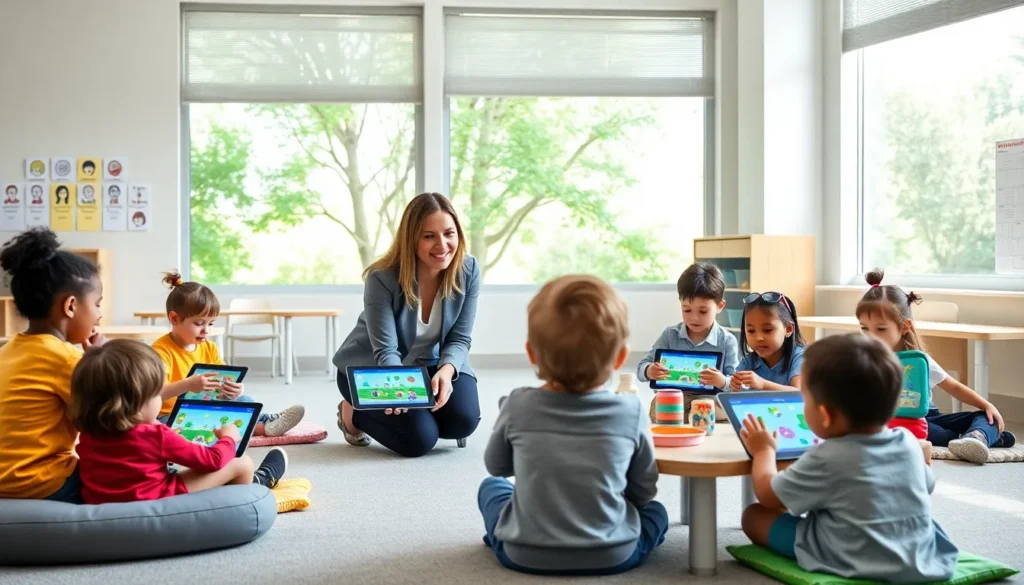
- Screen time guidelines now emphasize content quality over strict limits—co-viewing and digital wellness programs help kids develop healthy tech habits.
- Social-emotional learning (SEL) has become essential, with schools dedicating more time to teaching emotional intelligence, stress management, and empathy.
- Nature-based learning is expanding rapidly, as research shows children who spend at least two hours outdoors daily experience 30% lower anxiety rates.
- Parents can support these child development trends 2026 by observing their child’s interests, modeling healthy screen use, discussing emotions openly, and making outdoor time a daily habit.
The Rise of Personalized Learning Approaches
One of the biggest child development trends 2026 has accelerated is personalized learning. Schools and parents are moving away from one-size-fits-all education. Instead, they’re focusing on each child’s unique strengths, interests, and learning pace.
Adaptive learning platforms now use AI to adjust lesson difficulty in real time. If a child struggles with fractions, the software provides more practice. If they excel at reading comprehension, it moves them ahead. This approach reduces frustration and keeps kids engaged.
But personalized learning isn’t just about technology. Teachers are using more flexible classroom structures. Small group instruction, project-based learning, and student-led activities are becoming standard. These methods let children explore subjects that genuinely interest them.
Parents can support this trend at home. Observe what captures your child’s attention. Do they love building things? Try construction-based math games. Are they curious about animals? Use nature documentaries as a springboard for science discussions. The goal is to meet children where they are, not where a curriculum says they should be.
Research supports this shift. A 2024 study from Stanford found that students in personalized learning environments showed 23% greater improvement in critical thinking skills compared to traditional classrooms. As child development trends 2026 continue to evolve, expect personalized approaches to become even more refined.
Screen Time and Digital Wellness Strategies
Screen time remains a hot topic among parents and educators. Child development trends 2026 show a more balanced approach is gaining traction. The conversation has shifted from “screens are bad” to “how can we use screens wisely?”
The American Academy of Pediatrics updated its guidelines in late 2025, emphasizing content quality over strict time limits. Educational apps, video calls with grandparents, and creative tools like drawing programs count differently than passive video watching. Context matters.
Digital wellness programs are now appearing in schools. These teach children to recognize when they feel overstimulated by devices. Kids learn to take breaks, identify emotional triggers related to social media, and develop healthy habits early. Some schools even incorporate “tech-free” periods during the day.
At home, parents are finding success with co-viewing strategies. Watching content together and discussing it improves comprehension and strengthens parent-child bonds. It also gives parents insight into what their children are consuming.
Practical tips for managing screen time include:
- Set device-free zones, like the dinner table
- Use parental controls to filter content, not just limit hours
- Model healthy screen habits yourself
- Encourage outdoor play as a natural counterbalance
Child development trends 2026 suggest that digital literacy is becoming as important as reading and writing. Teaching kids to use technology responsibly prepares them for a connected world.
Social-Emotional Learning Takes Center Stage
Social-emotional learning (SEL) has moved from a nice-to-have to a must-have. This is one of the most significant child development trends 2026 has reinforced. Schools are dedicating more time and resources to teaching emotional intelligence.
SEL programs teach children to identify their emotions, manage stress, show empathy, and build positive relationships. These skills matter. Research from CASEL (Collaborative for Academic, Social, and Emotional Learning) shows that students in SEL programs have better academic outcomes and fewer behavioral issues.
The pandemic’s lasting effects on children’s mental health accelerated this trend. Anxiety and depression rates among kids remain elevated. Educators recognize that academic success depends on emotional stability. You can’t learn algebra if you’re overwhelmed by anxiety.
Many schools now start each day with check-ins. Teachers ask students how they’re feeling using simple tools like mood charts or emoji cards. This practice normalizes emotional expression and helps adults identify children who need extra support.
Parents can reinforce SEL at home. Talk about emotions openly. When your child is upset, help them name the feeling. “It sounds like you’re frustrated because your tower fell down.” This simple technique builds emotional vocabulary and regulation skills.
Child development trends 2026 indicate that emotional skills are no longer considered “soft.” They’re essential for success in school, relationships, and future careers.
Nature-Based and Outdoor Development Programs
Another standout among child development trends 2026 is the growth of nature-based learning. Forest schools, outdoor classrooms, and nature kindergartens are expanding across the country. Parents and educators are rediscovering the benefits of unstructured outdoor play.
Why the shift? Research consistently links outdoor time with improved attention spans, reduced stress, and better physical health. A 2025 study published in the Journal of Environmental Psychology found that children who spent at least two hours daily outdoors showed 30% lower rates of anxiety symptoms.
Nature-based programs emphasize hands-on exploration. Children build shelters, observe insects, plant gardens, and climb trees. These activities develop motor skills, problem-solving abilities, and scientific curiosity. They also foster independence and risk assessment, skills that structured indoor environments often limit.
Schools are adapting. Some have installed outdoor classrooms with covered areas for all-weather learning. Others partner with local parks for weekly nature excursions. Even urban schools are creating rooftop gardens and bringing nature into the curriculum.
For families, incorporating nature doesn’t require elaborate plans. Regular walks in the neighborhood, visits to local parks, or simply playing in the backyard all count. The key is consistency. Make outdoor time a daily habit, not an occasional treat.
Child development trends 2026 reflect a broader cultural recognition: children need nature. Screens and structured activities have their place, but dirt, trees, and open sky remain irreplaceable.