Table of Contents
ToggleChild development tips can transform how parents approach their children’s growth. Every parent wants to raise a happy, healthy, and well-adjusted child. But knowing where to start isn’t always obvious.
Children grow fast. Their brains form millions of neural connections in the first few years alone. The right support during these critical periods shapes who they become. This guide covers practical child development tips across cognitive, emotional, social, and physical domains. Parents will learn specific strategies they can use today to help their children thrive.
Key Takeaways
- Understanding child development stages helps parents set realistic expectations and respond with patience instead of frustration.
- Reading aloud daily is one of the most effective child development tips—children who hear 1,000 books before kindergarten show stronger language skills.
- Naming and validating emotions builds emotional intelligence and helps children develop a healthy vocabulary for their feelings.
- Regular playdates, turn-taking games, and role-playing difficult scenarios teach essential social skills that children aren’t born knowing.
- Children need at least 60 minutes of physical activity daily, and unstructured outdoor play improves attention spans while reducing anxiety.
- A consistent, loving home environment with clear routines and focused parent-child connection forms the foundation for healthy development.
Understanding the Stages of Child Development
Child development follows predictable stages. Knowing these stages helps parents set realistic expectations and provide appropriate support.
Infancy (0-12 months): Babies develop basic motor skills, form attachments, and begin language acquisition. They learn to trust through consistent caregiving.
Toddlerhood (1-3 years): Children explore their environment, develop language rapidly, and assert independence. The famous “terrible twos” reflect normal development, not bad behavior.
Preschool (3-5 years): Kids refine motor skills, expand vocabulary, and engage in imaginative play. They start understanding social rules and cooperation.
School Age (6-12 years): Children develop logical thinking, build friendships, and discover personal interests. Academic skills grow alongside social competence.
Adolescence (13-18 years): Teens form identity, seek autonomy, and develop abstract thinking. Peer relationships take center stage.
Each stage builds on the previous one. A toddler who feels secure explores more confidently. A preschooler who plays freely develops creativity. Parents who understand these child development stages can respond with patience rather than frustration.
Watch for developmental milestones, but remember: children develop at their own pace. Some walk at nine months. Others wait until fifteen. Both are normal. If concerns arise, consult a pediatrician.
Encouraging Cognitive and Emotional Growth
Cognitive and emotional development form the foundation for learning and relationships. Parents can boost both with simple daily practices.
Stimulating Cognitive Development
Reading aloud remains one of the most effective child development tips. Children who hear 1,000 books before kindergarten show stronger language skills and school readiness. Read daily, even for five minutes.
Ask open-ended questions. Instead of “Did you have fun at school?” try “What made you laugh today?” These questions encourage children to think deeply and express themselves.
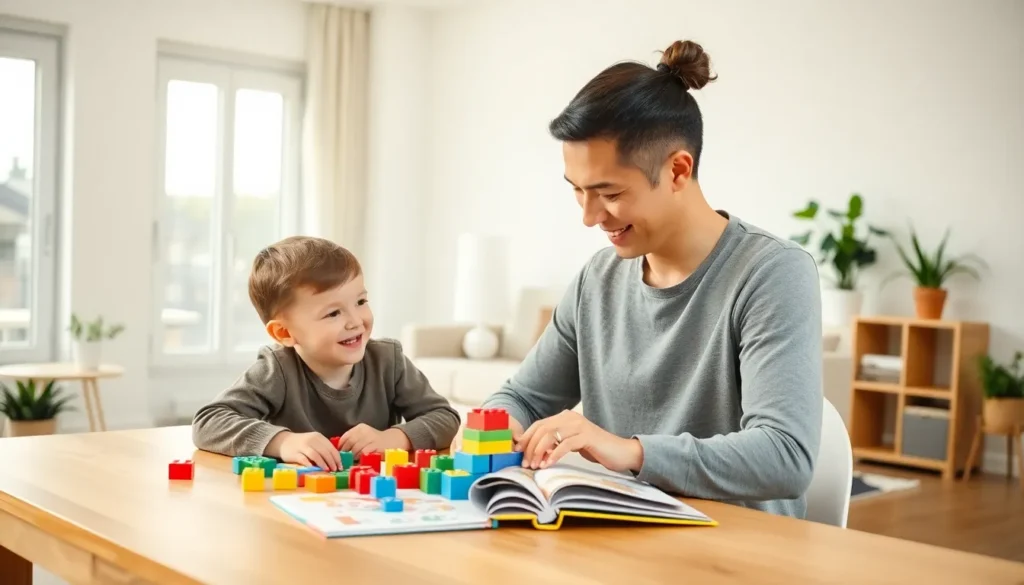
Provide age-appropriate puzzles, building blocks, and creative materials. These toys develop problem-solving skills better than electronic entertainment. Limit screen time to allow space for active thinking.
Nurturing Emotional Intelligence
Name emotions when children feel them. Say “You seem frustrated that the tower fell” or “I can see you’re excited about grandma’s visit.” This builds emotional vocabulary.
Validate feelings before solving problems. Children need to feel heard. A simple “That sounds really hard” goes further than immediately offering solutions.
Model emotional regulation. Children watch how adults handle stress, disappointment, and anger. When parents stay calm during challenges, children learn they can too.
These child development tips require consistency. Small daily efforts compound into significant growth over months and years.
Building Strong Social Skills Early
Social skills determine success in school, work, and relationships. Children aren’t born knowing how to share, cooperate, or resolve conflicts. They learn these skills through practice and guidance.
Arrange regular playdates starting in toddlerhood. Even parallel play, where children play near each other without direct interaction, teaches valuable lessons. Children observe, imitate, and gradually engage more directly.
Teach turn-taking with simple games. Board games, ball tossing, and conversation all require turns. Practice at home prepares children for social situations with peers.
Role-play difficult scenarios. Before a birthday party, practice saying hello to new children. Before starting school, rehearse asking to join a game. These rehearsals reduce anxiety and build confidence.
Address conflict constructively. When siblings fight, guide them through problem-solving rather than imposing solutions. Ask each child what happened, how they felt, and what might help. This process teaches negotiation skills.
Praise specific social behaviors. Instead of “Good job,” try “I noticed you shared your crayons with your friend. That was kind.” Specific praise reinforces exact behaviors parents want to encourage.
These child development tips create children who can form friendships, work in teams, and handle social challenges independently.
Supporting Physical Development Through Play
Physical development affects everything from handwriting to self-esteem. Active play builds strong bodies and capable minds.
Gross motor skills involve large muscle groups. Running, jumping, climbing, and throwing develop coordination, balance, and strength. The CDC recommends children get at least 60 minutes of physical activity daily.
Fine motor skills use smaller muscles. Coloring, cutting with scissors, buttoning shirts, and building with small blocks prepare children for writing and self-care tasks.
Unstructured outdoor play offers unique benefits. Nature exploration develops curiosity, risk assessment, and creativity. Children who play outside regularly show better attention spans and reduced anxiety.
Limit sedentary time. Young children shouldn’t sit for extended periods except during meals and sleep. Break up inactive time with movement activities.
Create safe spaces for active play. A backyard, local park, or even a cleared living room gives children room to move. Remove hazards but allow reasonable risk-taking. Falling down teaches children to get back up.
Join children in physical play. Parents who throw balls, dance, and chase their kids model an active lifestyle. Plus, active play together strengthens parent-child bonds.
These child development tips promote physical health while supporting cognitive and emotional growth. Movement and learning connect deeply in childhood.
Creating a Positive Home Environment
The home environment shapes child development more than any program or toy. Children need safety, structure, and warmth to thrive.
Establish consistent routines. Predictable mealtimes, bedtimes, and daily rhythms help children feel secure. They know what comes next, which reduces anxiety and power struggles.
Set clear, age-appropriate boundaries. Rules protect children and teach self-discipline. Explain the reasons behind rules when possible. “We hold hands in parking lots because cars can’t always see small children.”
Offer choices within limits. “Do you want to wear the blue shirt or the red shirt?” gives children autonomy while maintaining parental guidance. Too many choices overwhelm: too few create resistance.
Create spaces for different activities. A reading corner, art station, and open play area invite varied types of engagement. Children benefit from environments organized for their developmental needs.
Minimize household chaos when possible. Constant noise, clutter, and unpredictability stress children. This doesn’t mean perfection, real homes get messy. But regular tidying and calm moments help.
Prioritize connection over correction. Children who feel close to their parents accept guidance more readily. Daily moments of focused attention, even ten minutes without phones or distractions, build strong relationships.
These child development tips work together. A structured, loving home gives children the foundation to explore, learn, and grow into capable individuals.