Table of Contents
ToggleChild development techniques shape how children learn, grow, and build essential life skills. Parents, educators, and caregivers use these strategies to support healthy physical, cognitive, and emotional progress from infancy through adolescence. The right approach can make a lasting difference in a child’s confidence, social abilities, and academic success.
This article explores proven child development techniques that work. From understanding developmental stages to fostering emotional intelligence, these strategies offer practical guidance for anyone invested in a child’s growth.
Key Takeaways
- Effective child development techniques should be matched to each developmental stage—from infancy through adolescence—for the best outcomes.
- Positive reinforcement with specific praise (e.g., “I noticed you shared your crayons”) helps children understand desired behaviors and builds intrinsic motivation.
- Play-based learning is one of the most powerful child development techniques, with at least 60 minutes of unstructured play recommended daily.
- Building emotional intelligence early—by naming emotions, validating feelings, and teaching coping skills—gives children lifelong advantages in school, relationships, and careers.
- Limiting screen time and creating dedicated play spaces allows room for active, developmental play that matches how children’s brains naturally learn.
Understanding the Stages of Child Development
Child development techniques work best when matched to a child’s current stage. Children progress through distinct phases, each with unique needs and learning opportunities.
Infancy (0-2 years): Babies develop trust through consistent care. Responding to cries, maintaining eye contact, and gentle touch build secure attachments. These early interactions form the foundation for future relationships.
Early childhood (2-6 years): Children explore independence and language skills explode. Effective child development techniques during this stage include offering choices, reading together daily, and allowing safe exploration.
Middle childhood (6-12 years): Kids develop logical thinking and social skills. They benefit from structured activities, peer interactions, and opportunities to solve problems independently.
Adolescence (12-18 years): Teens form identity and abstract thinking emerges. Supporting autonomy while maintaining boundaries helps them transition to adulthood.
Recognizing these stages allows caregivers to apply appropriate child development techniques at the right time. A strategy that works brilliantly for a toddler may frustrate a ten-year-old. Meeting children where they are, developmentally speaking, produces better outcomes.
Positive Reinforcement and Encouragement
Positive reinforcement ranks among the most effective child development techniques available. The concept is simple: reward desired behaviors, and children repeat them.
This doesn’t mean showering kids with candy or toys. The best reinforcement is often specific praise. Instead of saying “good job,” try “I noticed you shared your crayons with your sister. That was kind.” Specific feedback helps children understand exactly what they did well.
Practical ways to use positive reinforcement:
- Verbal praise immediately after good behavior
- High-fives, hugs, or thumbs up
- Extra playtime or a favorite activity
- Sticker charts for younger children
- Natural consequences (finishing assignments means more free time)
Research supports this approach. A 2019 study published in the Journal of Child Psychology found that children who received consistent positive reinforcement showed improved self-regulation and fewer behavioral problems compared to peers who experienced primarily corrective feedback.
The key? Timing matters. Reinforcement works best when delivered right after the behavior occurs. Waiting until bedtime to mention something that happened at breakfast loses impact.
Child development techniques based on encouragement also build intrinsic motivation. Children begin doing the right thing because it feels good, not just to earn rewards. That’s the ultimate goal.
Play-Based Learning Approaches
Play isn’t just fun. It’s one of the most powerful child development techniques science has identified. Through play, children develop cognitive skills, creativity, social awareness, and physical coordination, all without realizing they’re learning.
Types of play that support development:
- Free play: Unstructured time where children direct their own activities builds decision-making and imagination.
- Pretend play: Acting out scenarios develops language, empathy, and problem-solving.
- Physical play: Running, climbing, and sports improve motor skills and health.
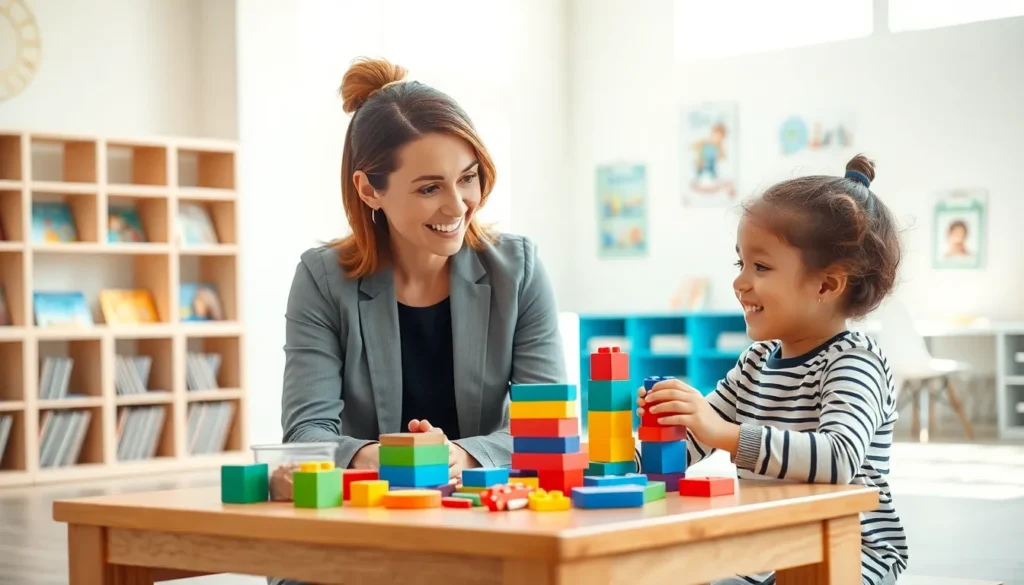
- Constructive play: Building with blocks or Legos teaches spatial reasoning and persistence.
- Games with rules: Board games and sports introduce cooperation, turn-taking, and handling disappointment.
The American Academy of Pediatrics recommends at least 60 minutes of unstructured play daily. Yet many children don’t get this. Busy schedules, screen time, and academic pressures crowd out opportunities for play-based learning.
Parents and educators can prioritize play-based child development techniques by:
- Creating dedicated play spaces
- Limiting screen time to allow room for active play
- Joining children in play without directing it
- Providing open-ended toys (blocks, art supplies, dress-up clothes)
Play-based learning works because it matches how children’s brains naturally process information. Kids are wired to learn through experience, exploration, and experimentation.
Building Emotional Intelligence Early
Emotional intelligence, the ability to recognize, understand, and manage feelings, predicts success in school, relationships, and careers. Child development techniques that build emotional intelligence give children lifelong advantages.
Start by naming emotions. When a toddler throws a tantrum, saying “You’re frustrated because you wanted that toy” teaches vocabulary for feelings. Children can’t manage emotions they can’t identify.
Strategies for building emotional intelligence:
- Model emotional awareness: Adults should express their own feelings appropriately. “I’m feeling stressed today” shows children that emotions are normal.
- Validate feelings: Saying “it’s okay to feel sad” is more helpful than “stop crying.” Validation doesn’t mean approving behavior, it means acknowledging the emotion behind it.
- Teach coping skills: Deep breathing, counting to ten, or taking a break are concrete tools children can use when overwhelmed.
- Read books about emotions: Stories featuring characters who experience different feelings spark conversations about emotional experiences.
- Practice empathy: Ask questions like “How do you think your friend felt when that happened?”
These child development techniques create emotionally literate children who handle conflict better, form stronger friendships, and experience less anxiety. Studies show that children with high emotional intelligence perform better academically, even controlling for IQ.
The investment pays off. Adults with strong emotional intelligence earn more, report higher life satisfaction, and maintain healthier relationships. Building these skills early gives children a significant head start.