Table of Contents
ToggleChild development strategies help parents and caregivers support a child’s growth from infancy through adolescence. Every child develops at their own pace, but certain approaches can nurture their cognitive, emotional, and social abilities at each stage.
This guide covers practical methods that work. From understanding developmental milestones to creating supportive home environments, these strategies offer a clear path forward. Whether a child is learning to walk, talk, or make friends, the right support makes a real difference in their progress.
Key Takeaways
- Child development strategies should match a child’s current stage—from infancy through adolescence—to effectively support cognitive, emotional, and social growth.
- Reading to children daily is one of the most powerful strategies, building larger vocabularies and better comprehension skills with as little as 15 minutes a day.
- Play is essential work: unstructured play teaches cooperation and compromise, while structured games introduce rules and fairness.
- Specific praise like “You worked really hard” encourages effort and resilience more effectively than generic compliments like “You’re so smart.”
- A supportive home environment with consistent routines, clear boundaries, and emotional safety forms the foundation for all other child development strategies.
- Parent self-care is critical—rested caregivers provide more consistent support and model healthy boundaries for their children.
Understanding the Key Stages of Child Development
Child development strategies should match a child’s current stage of growth. Researchers typically divide childhood into five main phases: infancy (0-1 year), toddlerhood (1-3 years), preschool (3-5 years), middle childhood (6-11 years), and adolescence (12-18 years).
During infancy, babies develop trust through consistent care. They learn to recognize faces, respond to voices, and form attachments. Child development strategies at this stage focus on responsive feeding, physical touch, and verbal interaction.
Toddlers become explorers. They walk, talk, and test boundaries. This period demands patience. Effective child development strategies include offering safe spaces for exploration and using simple, clear language to build vocabulary.
Preschoolers ask “why” constantly, and they should. Their brains are making thousands of neural connections daily. Parents can support this growth by answering questions, reading books together, and introducing basic problem-solving activities.
Middle childhood brings structured learning and peer relationships. Children develop reasoning skills and a sense of competence. Child development strategies here involve encouraging hobbies, supporting school efforts, and teaching responsibility through age-appropriate chores.
Adolescence reshapes everything. Teens develop abstract thinking and form their identities. They need independence balanced with guidance. Open communication and respect for their growing autonomy remain essential during these years.
Encouraging Cognitive and Emotional Growth
Cognitive and emotional growth form the foundation of healthy development. Child development strategies that target both areas create well-rounded individuals.
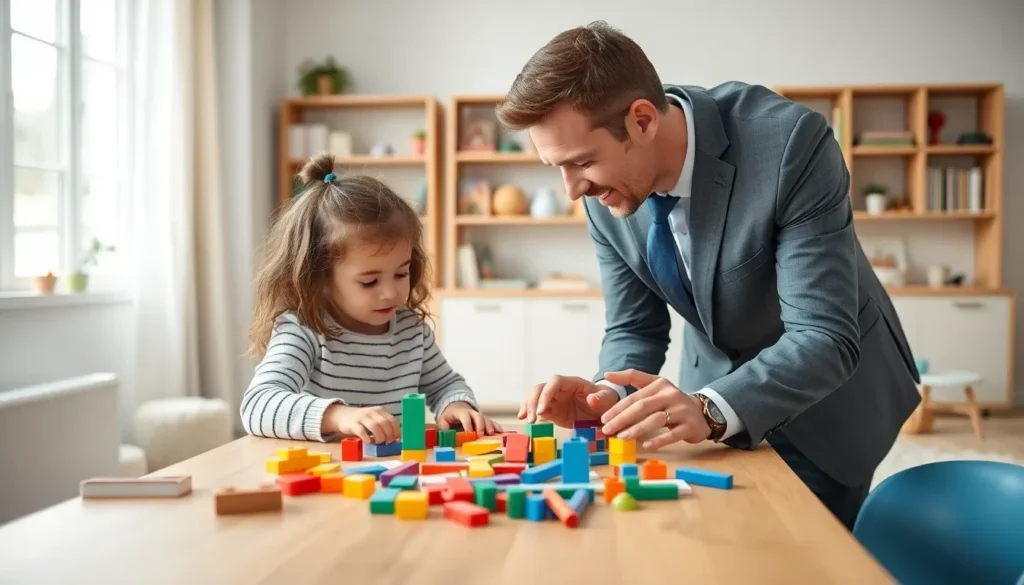
For cognitive growth, active learning beats passive consumption. Instead of screen time, hands-on activities build stronger neural pathways. Puzzles improve problem-solving. Building blocks teach spatial reasoning. Art projects develop creativity and fine motor skills.
Reading remains one of the most powerful child development strategies available. Studies show children who are read to daily enter kindergarten with larger vocabularies and better comprehension skills. Even 15 minutes of daily reading produces measurable benefits.
Emotional growth requires a different approach. Children need help naming and understanding their feelings. When a child feels angry or sad, adults can model emotional vocabulary: “I see you’re frustrated because your tower fell down.”
Emotional regulation develops slowly. Young children often experience big emotions without the tools to manage them. Child development strategies like deep breathing exercises, counting to ten, or using a “calm down corner” give kids practical coping methods.
Praise matters, but specific praise works better than generic encouragement. Saying “You worked really hard on that drawing” teaches effort. Saying “You’re so smart” can actually discourage risk-taking because children fear losing that label.
Building Social Skills Through Play and Interaction
Play isn’t just fun, it’s essential work. Through play, children learn cooperation, conflict resolution, and empathy. Strong child development strategies use play as a teaching tool.
Unstructured play allows children to practice social interactions naturally. When kids build a sandcastle together, they negotiate roles, share tools, and compromise on design. These moments teach collaboration without adult instruction.
Structured games introduce rules and fairness. Board games, team sports, and group activities show children that following rules creates enjoyable shared experiences. Losing gracefully is a skill that takes practice.
Child development strategies should include diverse social interactions. Children benefit from time with siblings, peers, younger kids, and older adults. Each relationship teaches different social skills.
Conflict happens, and that’s okay. Instead of solving every dispute, adults can guide children through resolution. Questions like “How do you think she felt when that happened?” build perspective-taking abilities.
Turn-taking develops naturally through interactive play. Simple games like catch or passing a ball teach children to wait their turn and pay attention to others. These basic child development strategies lay groundwork for more complex social situations later.
Creating a Supportive Environment at Home
The home environment shapes development more than any other factor. Child development strategies work best within a stable, supportive household.
Routines provide security. Children thrive when they know what to expect. Consistent bedtimes, mealtimes, and activity schedules reduce anxiety and help kids feel safe. Routines don’t need to be rigid, flexibility within structure works well.
Physical space matters too. A home with designated play areas, accessible books, and age-appropriate toys invites learning. Child development strategies include organizing spaces at child height so kids can make independent choices.
Emotional safety comes from consistent responses. When children know their feelings will be acknowledged rather than dismissed, they develop secure attachments. This security becomes a launching pad for exploration and risk-taking.
Limits and boundaries are acts of love, not punishment. Clear, consistent rules help children understand expectations. Child development strategies emphasize explaining the “why” behind rules, “We don’t hit because it hurts people” teaches more than “Don’t hit.”
Parent self-care belongs in this discussion. Stressed, exhausted caregivers struggle to provide consistent support. Taking time for rest and personal needs models healthy boundaries and ensures adults have the energy children require.