Table of Contents
ToggleA child development guide helps parents and caregivers understand the changes children experience from birth through adolescence. Children grow in predictable patterns, yet each child follows their own timeline. Knowing what to expect at each stage allows adults to provide better support and recognize potential concerns early. This guide covers the major developmental stages, physical milestones, cognitive and emotional growth, and practical ways parents can encourage healthy progress. Whether caring for an infant or raising a teenager, understanding child development creates a foundation for confident parenting.
Key Takeaways
- A child development guide helps parents understand the four major stages: infancy, early childhood, middle childhood, and adolescence.
- Physical milestones like walking, coordination, and puberty occur within ranges—late developers often catch up, but significant delays should be discussed with a pediatrician.
- Cognitive and emotional growth are deeply connected, so addressing struggles in both areas together produces better outcomes.
- Parents support healthy development by talking and reading frequently, establishing routines, and responding to emotions with patience.
- Encouraging age-appropriate independence—from toddler choices to teenage responsibilities—builds confidence and competence over time.
- Consistent effort, love, and attention matter more than perfect parenting; seek professional help when concerns arise.
The Major Stages of Child Development
Child development occurs in four broad stages: infancy, early childhood, middle childhood, and adolescence. Each stage brings distinct changes in how children think, move, communicate, and relate to others.
Infancy (0–2 years) marks the fastest period of growth. Babies develop basic motor skills, form attachments to caregivers, and begin understanding language. By age two, most children can walk, say simple words, and show preferences.
Early childhood (2–6 years) brings rapid language development and the beginning of social play. Children learn to share, follow rules, and express emotions. Imagination flourishes during this stage, and kids start asking endless “why” questions.
Middle childhood (6–12 years) focuses on academic skills and peer relationships. Children develop logical thinking, understand cause and effect, and form friendships based on shared interests. Self-esteem becomes tied to achievements and social acceptance.
Adolescence (12–18 years) involves puberty, identity formation, and abstract thinking. Teenagers seek independence while still needing guidance. Emotional intensity increases, and peer influence often outweighs parental input.
This child development guide emphasizes that stages overlap. A seven-year-old might show behaviors typical of both early and middle childhood. Flexibility matters more than rigid expectations.
Physical Development Milestones to Watch For
Physical milestones serve as markers of healthy child development. They indicate that the brain and body are working together properly.
During infancy, key milestones include:
- Holding head up (2–4 months)
- Rolling over (4–6 months)
- Sitting without support (6–8 months)
- Crawling (7–10 months)
- Walking (9–15 months)
In early childhood, physical development shifts to coordination and fine motor skills. Children learn to run, jump, climb, and throw. They also gain control over small muscles, allowing them to hold crayons, use scissors, and button shirts.
Middle childhood brings steady growth and improved athletic ability. Kids refine their coordination through sports, dance, or other activities. Handwriting becomes neater, and they can tie shoes and complete detailed crafts.
Adolescence triggers puberty, which typically begins between ages 8–13 for girls and 9–14 for boys. Growth spurts, voice changes, and sexual maturation occur. Physical changes happen at different rates, causing some teens to feel self-conscious.
A useful child development guide reminds parents that ranges exist for every milestone. Late walkers often catch up quickly. But, significant delays warrant a conversation with a pediatrician. Early intervention improves outcomes for children who need extra support.
Cognitive and Emotional Growth
Cognitive development refers to how children learn, think, and solve problems. Emotional development involves understanding feelings and building relationships. Both areas progress together throughout childhood.
Infants learn through their senses. They recognize faces, respond to voices, and explore objects by mouthing them. Emotional bonds form through consistent caregiving. Babies who feel secure explore more confidently.
Toddlers and preschoolers develop language rapidly, moving from single words to full sentences by age four. They engage in pretend play, which builds creativity and social understanding. Emotional regulation remains difficult, tantrums are normal. Children this age feel emotions intensely but lack tools to manage them.
School-age children think more logically. They understand that quantities stay the same even when shapes change (conservation). Reading, math, and problem-solving skills expand significantly. Emotionally, they develop empathy and can consider others’ perspectives. Friendships become important, and rejection feels painful.
Teenagers gain the ability to think abstractly. They can discuss hypothetical situations, question authority, and plan for the future. Emotionally, adolescence brings intensity. Mood swings occur partly due to hormonal changes and partly due to social pressures.
This child development guide stresses the connection between cognitive and emotional growth. A child struggling academically might also experience anxiety. Addressing both areas produces better results than focusing on one alone.
How Parents Can Support Healthy Development
Parents play the most important role in child development. Simple daily actions create lasting impacts.
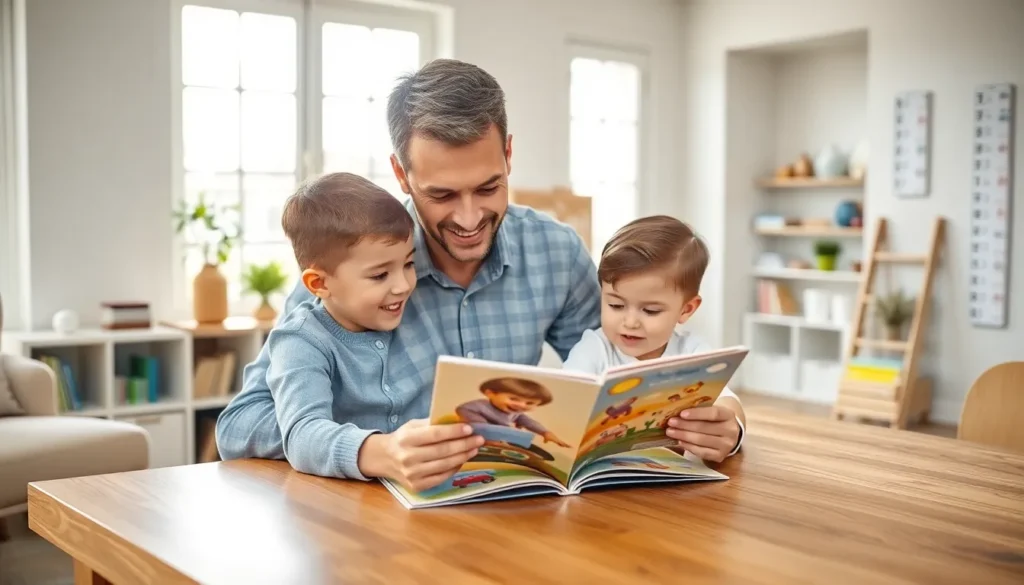
Talk and read frequently. Language exposure builds vocabulary and comprehension. Even infants benefit from hearing words. Reading together remains valuable through elementary school and beyond.
Provide safe exploration. Children learn by doing. Create environments where kids can move, touch, and experiment without constant warnings. Supervision matters, but over-restriction limits growth.
Establish routines. Predictable schedules help children feel secure. Regular mealtimes, bedtimes, and rituals reduce anxiety and improve behavior.
Respond to emotions with patience. When children express big feelings, stay calm. Label emotions (“You seem frustrated”) and teach coping strategies. Punishing emotions backfires: acknowledging them builds emotional intelligence.
Encourage independence gradually. Let toddlers make simple choices. Allow school-age kids to solve small problems. Give teenagers increasing responsibility. Each step builds confidence and competence.
Stay involved during adolescence. Teens push away, but they still need connection. Eat meals together, ask open-ended questions, and respect their privacy while maintaining boundaries.
Seek help when needed. No child development guide replaces professional evaluation. If concerns arise about speech, motor skills, behavior, or learning, consult a pediatrician or specialist.
Parents don’t need to be perfect. Consistent effort, love, and attention matter far more than getting everything right.